TPU vs silicone vs polycarbonate: what phone cases are made of
What TPU, silicone and polycarbonate actually are, how they feel and protect, which one yellows, and how the three are combined in a modern case.
Written by the YOONIG team · Editorially reviewed · Updated · 3 min read

The three materials in one minute
Almost every phone case is made from one, or a mix, of three materials. Polycarbonate is a hard, rigid plastic. TPU (thermoplastic polyurethane) is a flexible, rubbery plastic. Silicone is a soft rubber that isn't a plastic at all.
| Material | Feel | Typical role in a case | Clear versions yellow? |
|---|---|---|---|
| Polycarbonate (PC) | Hard, rigid, smooth | Back plate and slim one-piece shells; takes a sharp print | Can discolor with long UV exposure |
| TPU | Flexible, slightly rubbery | Bumpers, soft sides and shock-absorbing inner layers | Yes, the most prone of the three |
| Silicone | Soft, grippy, velvety | Whole one-piece cases in solid colors | Usually made opaque, so it rarely shows |
What is a TPU case?
TPU is short for thermoplastic polyurethane. It bends and springs back, so it absorbs some of the energy of a drop and is easy to fit around a phone's corners and buttons. That's why it's used for bumpers, soft sides on clear cases and the inner layer of two-layer cases.
Its weakness is ageing: clear TPU slowly yellows with sunlight, heat and skin oils. We explain why in why clear phone cases turn yellow.
Is TPU the same as silicone?
No. They feel similar, but TPU is a plastic (a polyurethane) and silicone is a rubber built on a silicon-oxygen backbone. TPU is firmer and slicker and can be made crystal clear; silicone is softer, grippier and almost always opaque. Silicone also tends to pick up lint in pockets, while TPU slides in and out more easily.
Are silicone cases protective?
Silicone gives good everyday grip and protects against scratches and light knocks. Because it's soft and usually thin, it isn't designed to spread the force of a hard drop the way a two-layer case with a rigid shell is. If you drop your phone a lot, a two-layer build is the safer pick; if you mainly want grip and a plain color, silicone is pleasant to hold.
What is polycarbonate good for?
Polycarbonate is stiff and impact resistant for its weight, so a thin shell keeps its shape and spreads a knock across the back of the phone. Its smooth, rigid surface is also the best canvas for printing, which is why printed cases use a polycarbonate back.
Why most good cases mix materials
Two-layer cases combine the strengths: a rigid polycarbonate back to spread impact and carry the print, and a softer TPU layer or frame to cushion the corners. Clear cases often do the same with a clear polycarbonate back and soft clear TPU sides.
How YOONIG builds are made
Every design comes in several builds; the print stays the same. Here is what each one is made of. Which builds are available depends on the phone model, and the MagSafe builds are for iPhone only. Compare them in our case type guide.
| Build | Construction | Raised edges | MagSafe accessories |
|---|---|---|---|
| Slim | One-piece polycarbonate shell | Slight | No |
| Tough | Printed hard back over a shock-absorbing inner layer | Yes | No |
| MagSafe compatible | Tough construction with a built-in magnet ring | Yes | Yes |
| MagSafe + camera guard | Polycarbonate back with a TPU frame and raised camera surround | Yes, around the camera | Yes |
| Card holder | Polycarbonate shell with a slot for one card | — | Yes |
| Clear | Clear polycarbonate back with soft clear TPU sides | — | No |
| Clear MagSafe | Clear polycarbonate with TPU edges and built-in magnets | — | Yes |
| Silicone | Solid silicone in a plain color, no print | Yes, around the lenses | No |
Do these materials block wireless charging?
Thin plastic and silicone don't block wireless charging; metal plates, thick wallets and cards in a card slot can. Our Slim, Tough, MagSafe and Clear builds are made for wireless charging. For MagSafe chargers and accessories, choose a build with magnets so they line up and stay attached; browse MagSafe phone cases.
Frequently asked questions
Is TPU better than silicone for a phone case?
It depends on what you want. TPU is firmer, slides in and out of pockets and can be clear; silicone is softer and grippier but picks up lint. For drop protection, a two-layer case with a hard back usually beats either material on its own.
Is thermoplastic polyurethane good for phone cases?
Yes. Its flexibility makes it good at cushioning corners, which is why it's used for bumpers and inner layers. Clear TPU does yellow over time.
Is TPU silicone?
No. TPU is a polyurethane plastic; silicone is a rubber with a silicon-oxygen backbone. They feel similar but behave differently.
Which case material doesn't turn yellow?
Yellowing is mainly a problem of clear plastic, especially TPU. Opaque cases, including printed hard shells and colored silicone, don't show it.
What is the most protective case material?
No single material wins. A rigid back combined with a softer shock-absorbing layer and raised edges around the screen and camera protects better than one material alone.
Shop the story
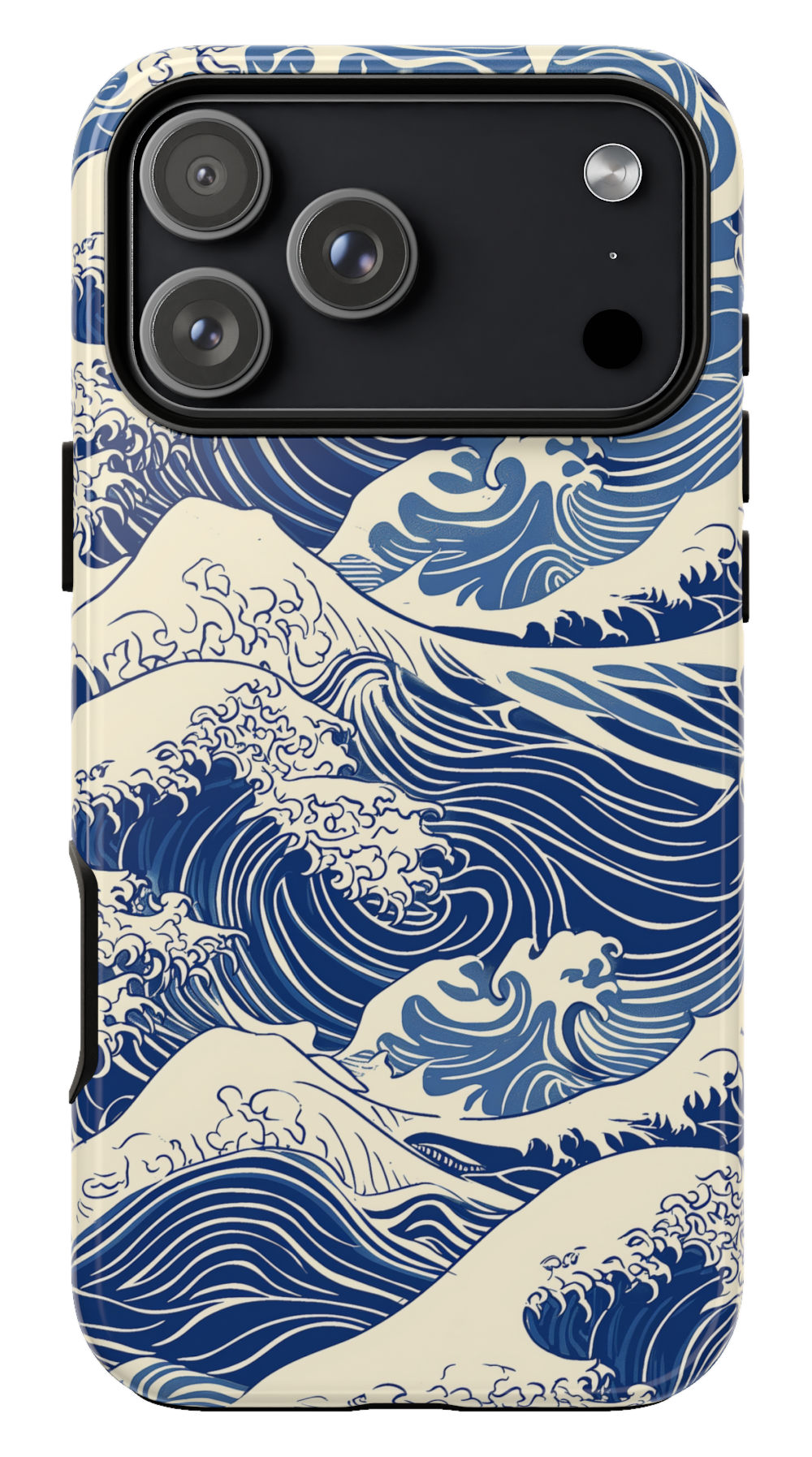 Kanagawa Wave Phone case$29.00Phone case · choose your model
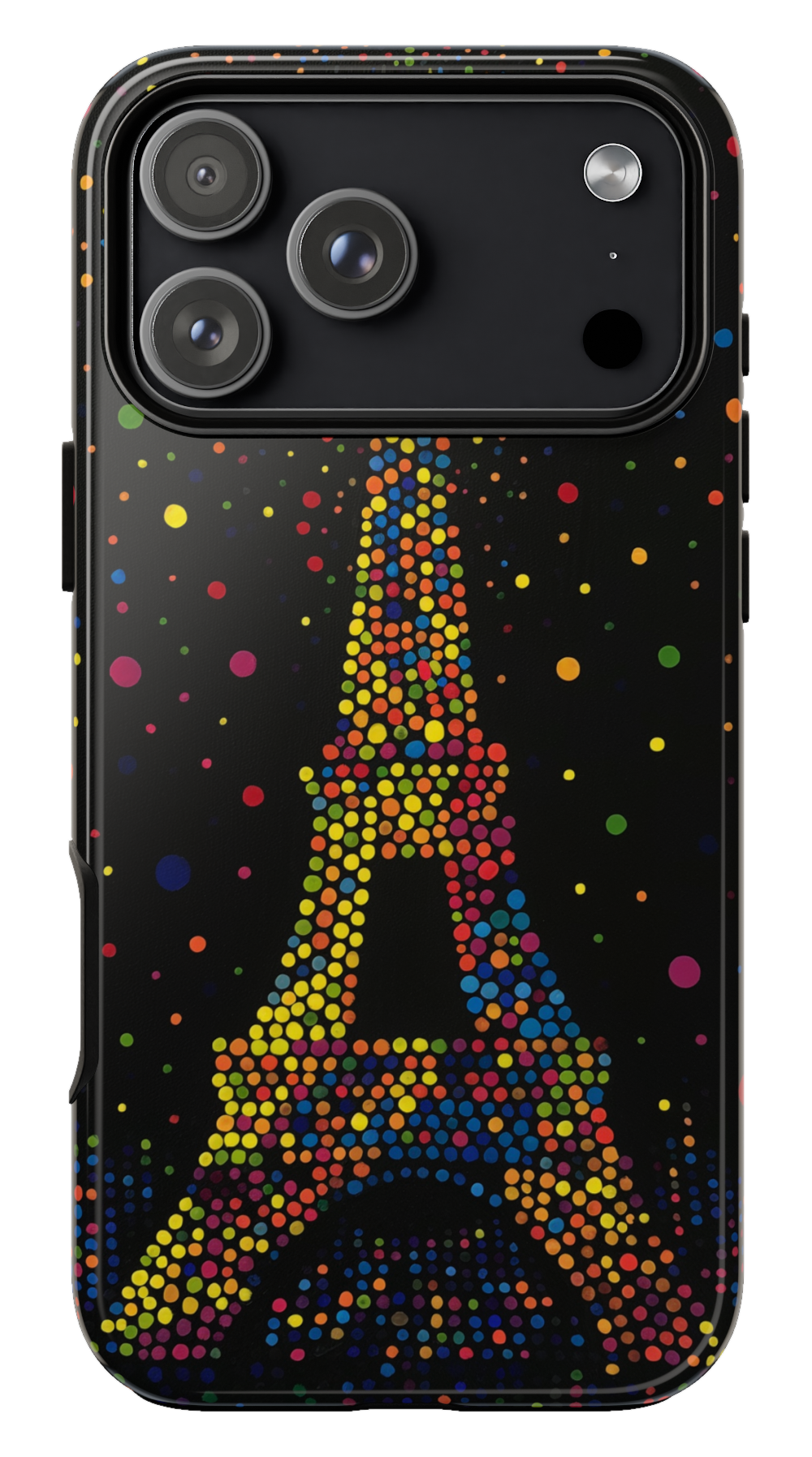 Paris Night Phone case$29.00Phone case · choose your model
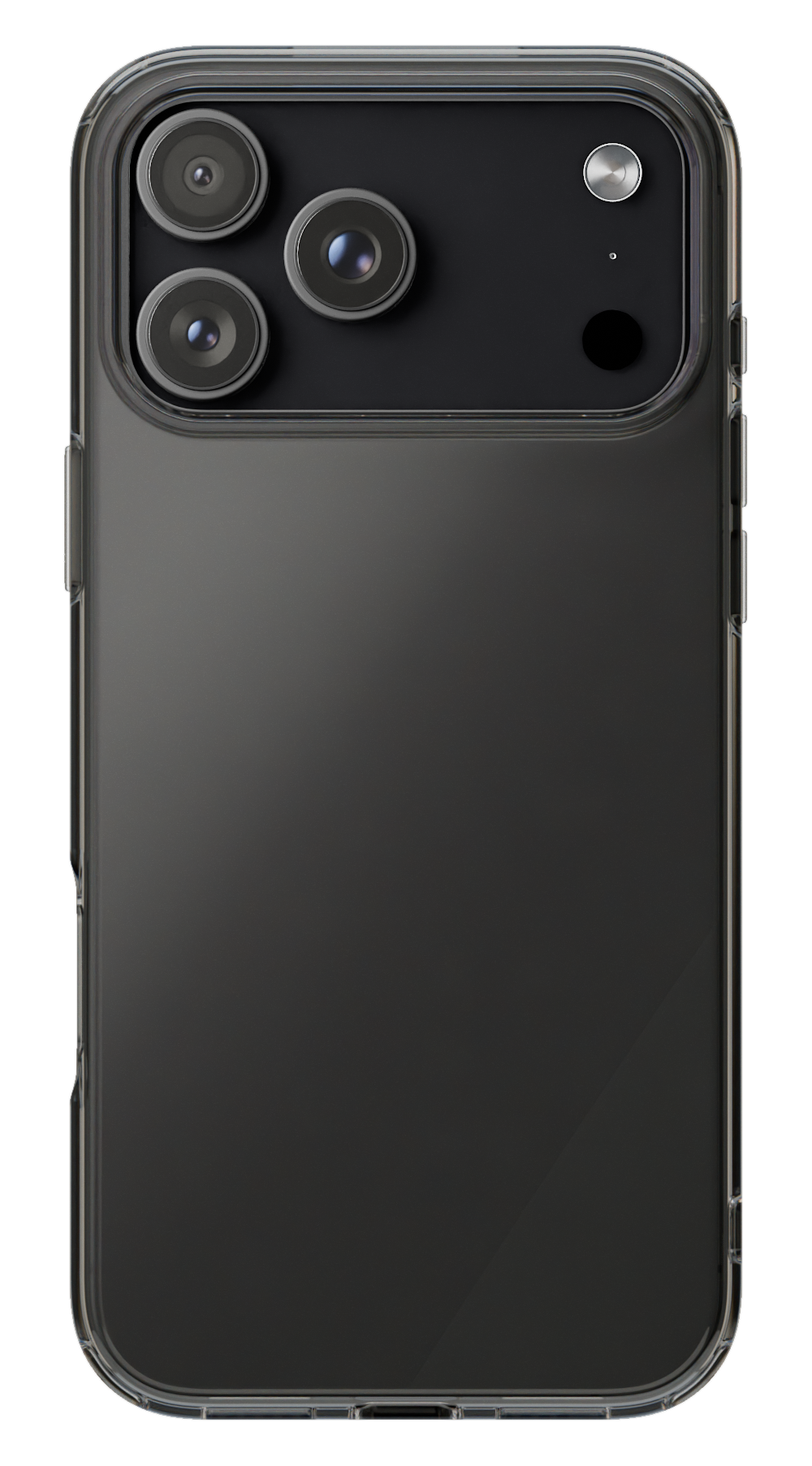 Clear Phone case$29.00Phone case · choose your model

