What is a MagSafe case, and what does it actually do?
MagSafe explained in plain words: what the magnets do, what a MagSafe case adds, what “MagSafe compatible” means, and how it relates to Qi2.
Written by the YOONIG team · Editorially reviewed · Updated · 3 min read

MagSafe in one paragraph
MagSafe is Apple’s system of magnets built into the back of the iPhone, starting with the iPhone 12. The ring of magnets lines a charger up with the phone’s charging coil and holds accessories such as wallets, grips and stands in place. In Apple’s words, MagSafe chargers and battery packs “snap to the back of iPhone or its MagSafe case or sleeve” and “the magnets ensure proper alignment for fast wireless charging” (Apple iPhone User Guide).
What does a MagSafe case do?
A MagSafe case has its own ring of magnets lined up with the phone’s. A case of any kind adds distance between the phone and a charger or accessory, which weakens the magnetic hold. The magnets in a MagSafe case make up for that, so chargers snap on in the right spot and wallets and grips stay attached through the case.
It doesn’t make the phone charge faster than the phone can. Charging speed depends on the phone, the charger and the power adapter; the case’s job is to keep the charger lined up and attached.
What “MagSafe compatible” means
On a case, “MagSafe compatible” usually means it has a built-in magnet ring that works with MagSafe chargers and accessories. On a charger or accessory, it means it attaches magnetically to MagSafe iPhones. For cases, check that magnets are actually built in rather than just “works with wireless charging”.
For Qi2 products the Wireless Power Consortium warns that “Qi2 compatible” or “Qi2 enabled” means the product is not Qi2 certified (WPC).
MagSafe and Qi2
Qi2 is the open wireless charging standard from the Wireless Power Consortium, built on the same idea of a magnetic ring. Its Magnetic Power Profile defines the ring’s size, the layout of the magnets and how strongly they hold. Certified Qi2 chargers come in 15W and 25W tiers.
Recent iPhones support both MagSafe and Qi2; Apple lists Qi2 speeds on each model’s spec page. Google’s Pixel 10 series has Qi2 magnets built in; Samsung’s Galaxy S25 and S26 are “Qi2 Ready” and need a magnetic case. See which phones have MagSafe.
Do you need one?
If you use MagSafe chargers, a MagSafe wallet, a car mount or a magnetic stand, yes: without magnets in the case those accessories slip or don’t attach. If you only charge with a cable, a regular case is fine. There’s more detail in do you need a MagSafe case.
MagSafe cases at YOONIG
For iPhone we make three magnetic builds of every design: MagSafe compatible (two-layer with a magnet ring), MagSafe + camera guard, and Clear MagSafe. The Card holder build is MagSafe compatible as well. They are made for Apple iPhone models only. Browse MagSafe phone cases or compare builds in the case type guide.
Frequently asked questions
Do MagSafe cases have magnets?
Yes. A MagSafe case has a ring of magnets that lines up with the iPhone’s own, so magnetic chargers and accessories attach through the case.
Are MagSafe cases magnetic on the outside?
Yes, that’s the point: chargers, wallets and mounts stick to the back of the case.
What does MagSafe mean?
It’s Apple’s name for the magnetic charging and accessory system built into iPhone 12 and later (except the SE models and iPhone 16e).
Is MagSafe the same as Qi charging?
Related but not the same. Older Qi charging has no magnets. MagSafe adds Apple’s magnet ring and faster speeds on supported iPhones; Qi2 is the open standard with a magnet ring.
Is a MagSafe case worth it?
If you use any magnetic accessory, yes. Without magnets in the case, MagSafe accessories won’t hold securely.
Shop the story
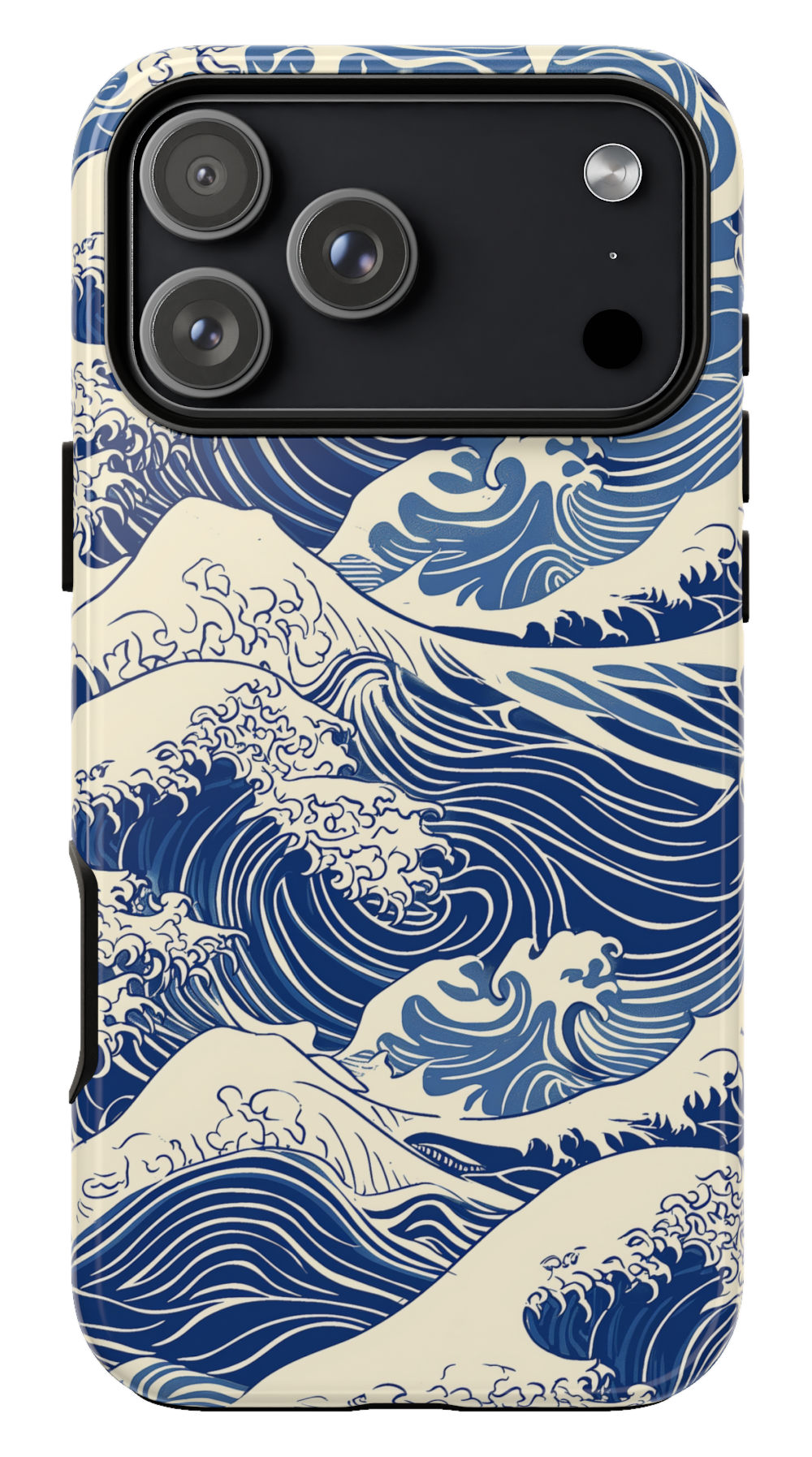 Kanagawa Wave Phone case$29.00Phone case · choose your model
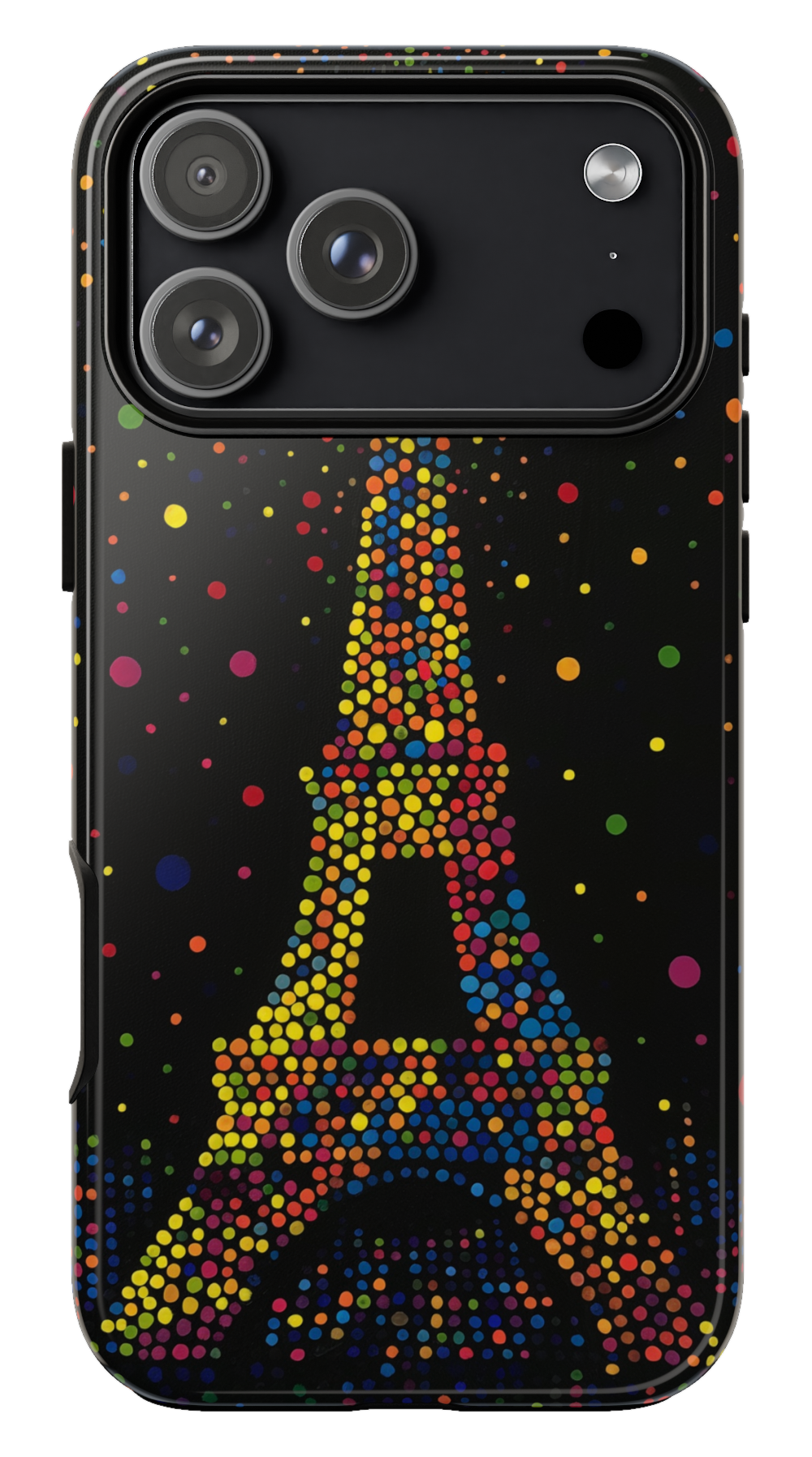 Paris Night Phone case$29.00Phone case · choose your model
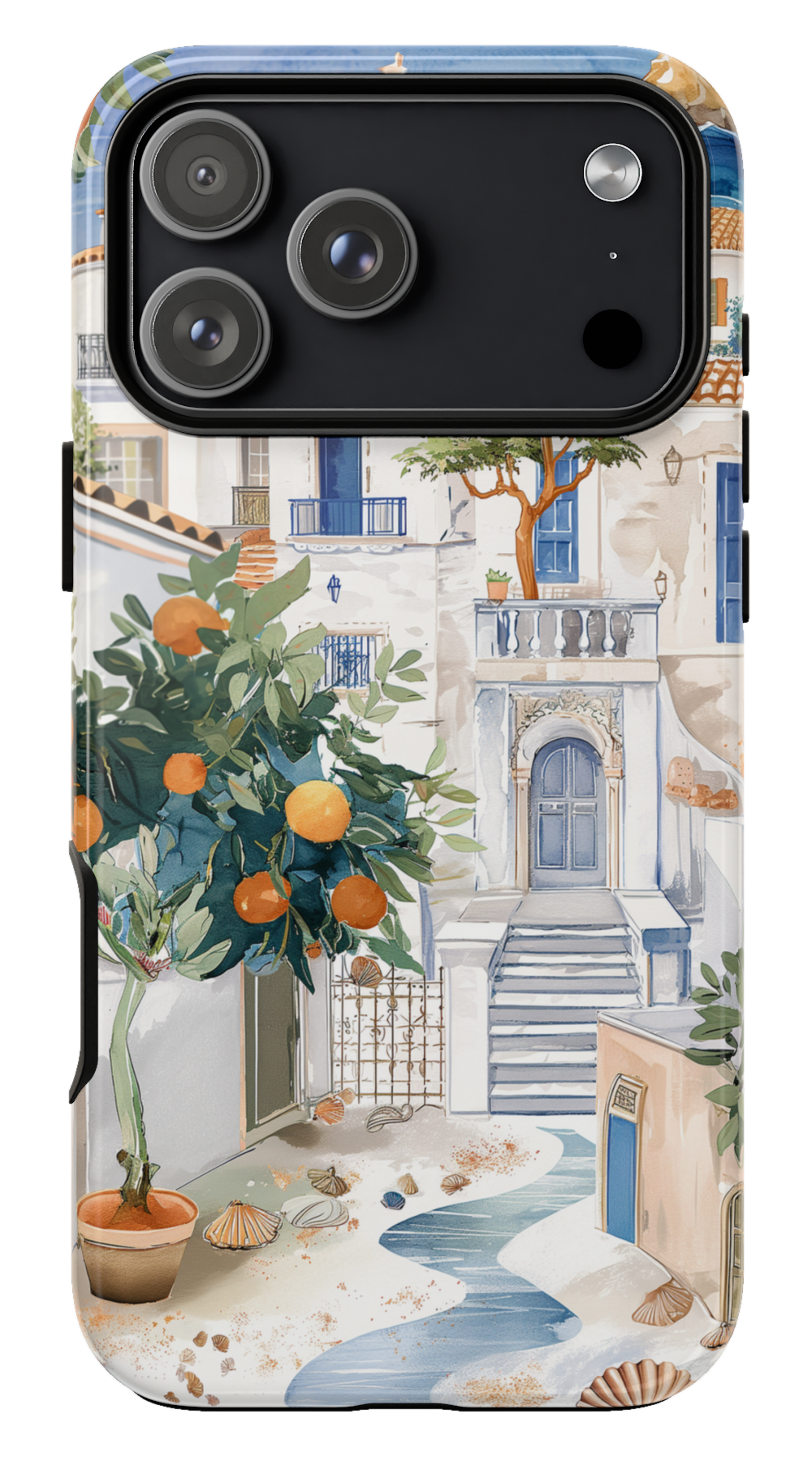 Santorini Phone case$29.00Phone case · choose your model

