Which phones have MagSafe? Every iPhone, plus Pixel and Galaxy
A model-by-model list of which iPhones have MagSafe and how fast each charges, plus which Pixel and Galaxy phones have magnets (Qi2) and which need a magnetic case.
Written by the YOONIG team · Editorially reviewed · Updated · 3 min read

The short answer
Every iPhone from the iPhone 12 onwards has MagSafe, with three exceptions: the iPhone SE (3rd generation), the iPhone 16e and anything older than the 12. The iPhone 17e has MagSafe; the 16e before it didn’t.
MagSafe itself is Apple’s. On Android, the matching standard is Qi2: the Pixel 10, 10 Pro, 10 Pro XL and 10 Pro Fold have magnets built in, while Samsung’s Galaxy S25 and S26 phones are “Qi2 Ready”, meaning they need a case with magnets to snap on.
Every iPhone, with and without MagSafe
Speeds are Apple’s figures. The newest phones only reach their top speed with a recent MagSafe Charger and a 30W or stronger adapter (Apple: How to use your MagSafe Charger).
| iPhone | MagSafe | Max MagSafe charging |
|---|---|---|
| iPhone 18 Pro Max | Yes | up to 25W |
| iPhone 18 Pro | Yes | up to 25W |
| iPhone 17e | Yes | up to 15W |
| iPhone 17 Pro Max | Yes | up to 25W |
| iPhone 17 Pro | Yes | up to 25W |
| iPhone Air | Yes | up to 20W |
| iPhone 17 | Yes | up to 25W |
| iPhone 16 Pro Max | Yes | up to 25W |
| iPhone 16 Pro | Yes | 22.5W peak |
| iPhone 16 Plus | Yes | up to 25W |
| iPhone 16 | Yes | 22.5W peak |
| iPhone 16e | No | Qi wireless charging, no magnets |
| iPhone 15 Pro Max | Yes | up to 15W |
| iPhone 15 Pro | Yes | up to 15W |
| iPhone 15 Plus | Yes | up to 15W |
| iPhone 15 | Yes | up to 15W |
| iPhone 14 Pro Max | Yes | up to 15W |
| iPhone 14 Pro | Yes | up to 15W |
| iPhone 14 Plus | Yes | up to 15W |
| iPhone 14 | Yes | up to 15W |
| iPhone 13 Pro Max | Yes | up to 15W |
| iPhone 13 Pro | Yes | up to 15W |
| iPhone 13 | Yes | up to 15W |
| iPhone 13 mini | Yes | 12W |
| iPhone 12 Pro Max | Yes | up to 15W |
| iPhone 12 Pro | Yes | up to 15W |
| iPhone 12 | Yes | up to 15W |
| iPhone 12 mini | Yes | 12W |
| iPhone SE (3rd generation) | No | Qi wireless charging, no magnets |
| iPhone 11 Pro Max | No | Qi wireless charging, no magnets |
| iPhone 11 Pro | No | Qi wireless charging, no magnets |
| iPhone 11 | No | Qi wireless charging, no magnets |
| iPhone SE (2nd generation) | No | Qi wireless charging, no magnets |
| iPhone XS Max | No | Qi wireless charging, no magnets |
| iPhone XS | No | Qi wireless charging, no magnets |
| iPhone XR | No | Qi wireless charging, no magnets |
| iPhone X | No | Qi wireless charging, no magnets |
Does the iPhone 11 have MagSafe?
No. The iPhone 11, 11 Pro and 11 Pro Max, the X, XS and XR, and the iPhone SE models have Qi wireless charging but no magnets. Apple says these phones can still charge on a MagSafe Charger, but without magnetic alignment and at different power. A MagSafe case adds a magnet ring so accessories stay put, but it doesn’t make the phone charge at MagSafe speed.
Is Samsung MagSafe?
No Samsung phone has MagSafe, and Samsung’s own spec pages don’t mention magnets. The Wireless Power Consortium, which runs the Qi standard, describes the Galaxy S25 and S26 series as “Qi2 Ready”: they have no magnets inside and get the snap-on experience once paired with an approved magnetic case (WPC).
Apple’s MagSafe chargers are Qi-compatible, so a Galaxy phone can charge on one, but it won’t snap into place without magnets in the case.
Does Google Pixel have MagSafe?
Not under that name. Google’s Pixel 10, 10 Pro, 10 Pro XL and 10 Pro Fold have magnets built in for Qi2, which Google calls Pixelsnap. The Pixel 10a and the Pixel 9 series, including the Pixel 7 and 8 before them, charge wirelessly without magnets.
| Phone | Magnets | Wireless standard |
|---|---|---|
| Pixel 10 Pro XL | Built in (Pixelsnap, Qi2) | Qi2 |
| Pixel 10 Pro | Built in (Pixelsnap, Qi2) | Qi2 |
| Pixel 10 | Built in (Pixelsnap, Qi2) | Qi2 |
| Pixel 10 Pro Fold | Built in (Pixelsnap, Qi2) | Qi2 |
| Pixel 10a | No magnets | Qi |
| Pixel 9 Pro XL | No magnets | Qi |
| Pixel 9 Pro | No magnets | Qi |
| Pixel 9 | No magnets | Qi |
| Pixel 9a | No magnets | Qi |
| Galaxy S26 Ultra | No magnets (needs a magnetic case) | Qi2 Ready per WPC |
| Galaxy S26+ | No magnets (needs a magnetic case) | Qi2 Ready per WPC |
| Galaxy S26 | No magnets (needs a magnetic case) | Qi2 Ready per WPC |
| Galaxy S25 Ultra | No magnets (needs a magnetic case) | Qi2 Ready per WPC |
| Galaxy S25+ | No magnets (needs a magnetic case) | Qi2 Ready per WPC |
| Galaxy S25 | No magnets (needs a magnetic case) | Qi2 Ready per WPC |
| Galaxy S25 Edge | No magnets (needs a magnetic case) | Qi2 Ready per WPC |
| Galaxy S24 Ultra | No magnets (needs a magnetic case) | Qi |
| Galaxy S24 | No magnets (needs a magnetic case) | Qi |
Do you need a MagSafe case?
On an iPhone with MagSafe, only if you want the magnets to keep working through the case. Apple describes MagSafe chargers snapping “to the back of iPhone or its MagSafe case or sleeve”. A regular case adds distance, so magnetic chargers, wallets and grips hold less firmly. We cover this in do you need a MagSafe case.
Our MagSafe builds put a magnet ring in the case for iPhone. Browse MagSafe phone cases.
Frequently asked questions
Does the iPhone 12 have MagSafe?
Yes. The iPhone 12, 12 mini, 12 Pro and 12 Pro Max were the first iPhones with MagSafe. Apple lists the 12 mini at up to 12W on its MagSafe Charger, the others at up to 15W.
Does the iPhone 13 have MagSafe?
Yes, all four iPhone 13 models: up to 15W, or 12W for the 13 mini.
Does the iPhone 14 have MagSafe?
Yes, all four iPhone 14 models, at up to 15W.
Does the iPhone 15 have MagSafe?
Yes, at up to 15W, and Apple also lists Qi2 at up to 15W.
Does the iPhone 16e have MagSafe?
No. The iPhone 16e has Qi wireless charging but no MagSafe. The iPhone 17e does have MagSafe, at up to 15W.
Are all iPhones MagSafe?
No. MagSafe started with the iPhone 12. The SE models and the iPhone 16e don’t have it.
Does the Pixel 7 have MagSafe?
No. MagSafe is Apple-only, and Google added built-in Qi2 magnets starting with the Pixel 10 series.
Is there MagSafe for Samsung?
Samsung phones have no magnets built in. A case with a magnet ring lets magnetic chargers and accessories attach; the Galaxy S25 and S26 are described as Qi2 Ready for this reason.
Shop the story
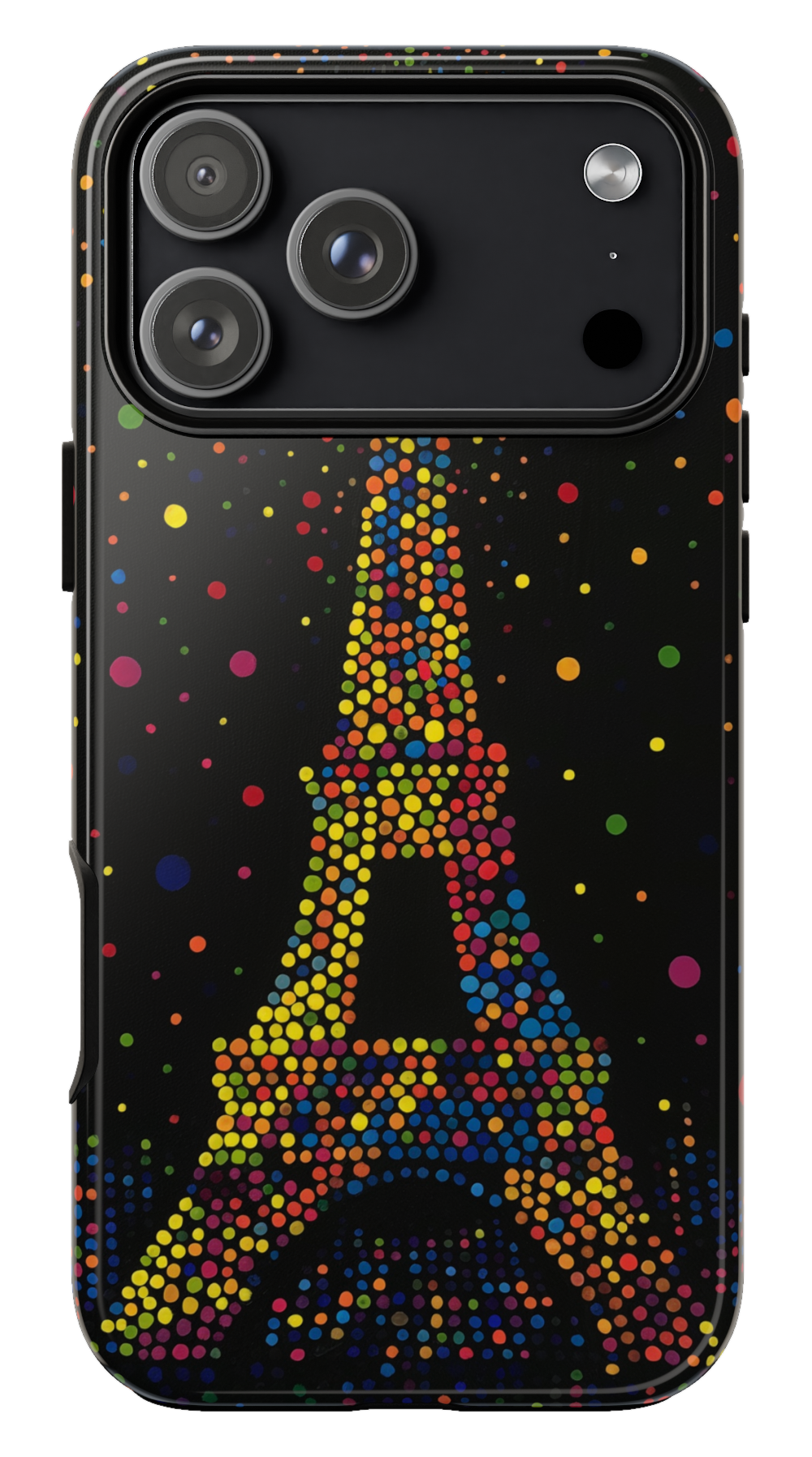 Paris Night Phone case$29.00Phone case · choose your model
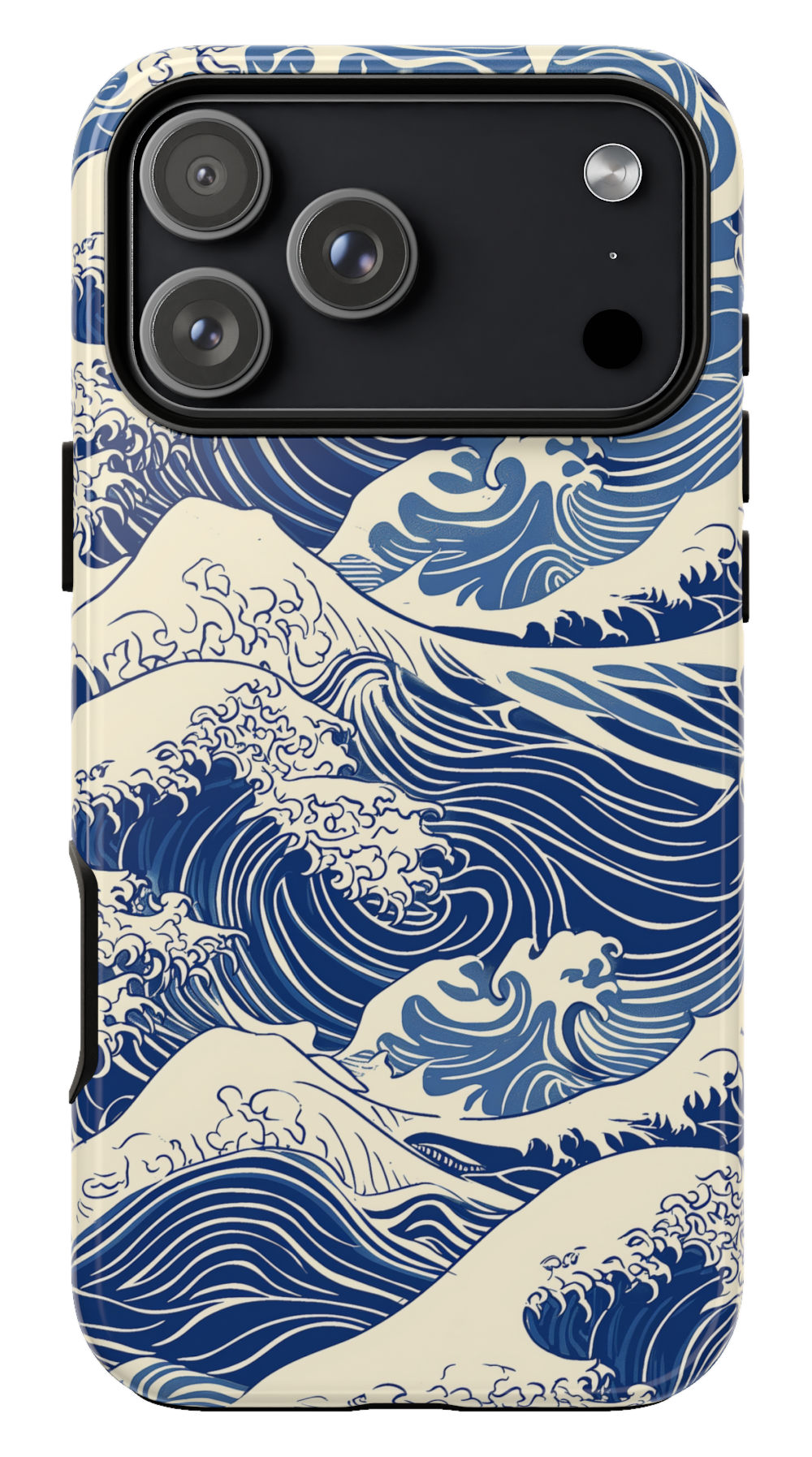 Kanagawa Wave Phone case$29.00Phone case · choose your model
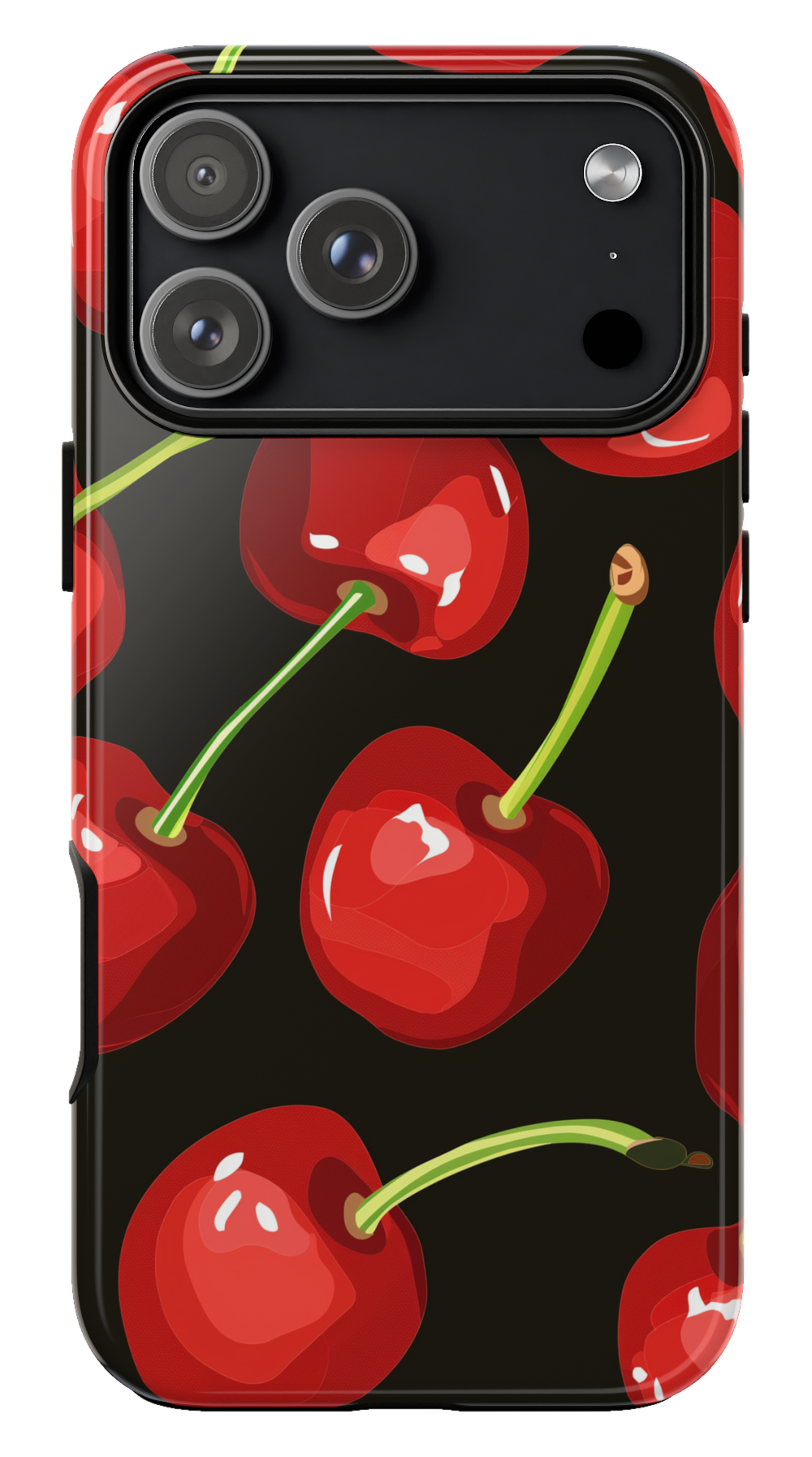 Cherry Phone case$29.00Phone case · choose your model


